
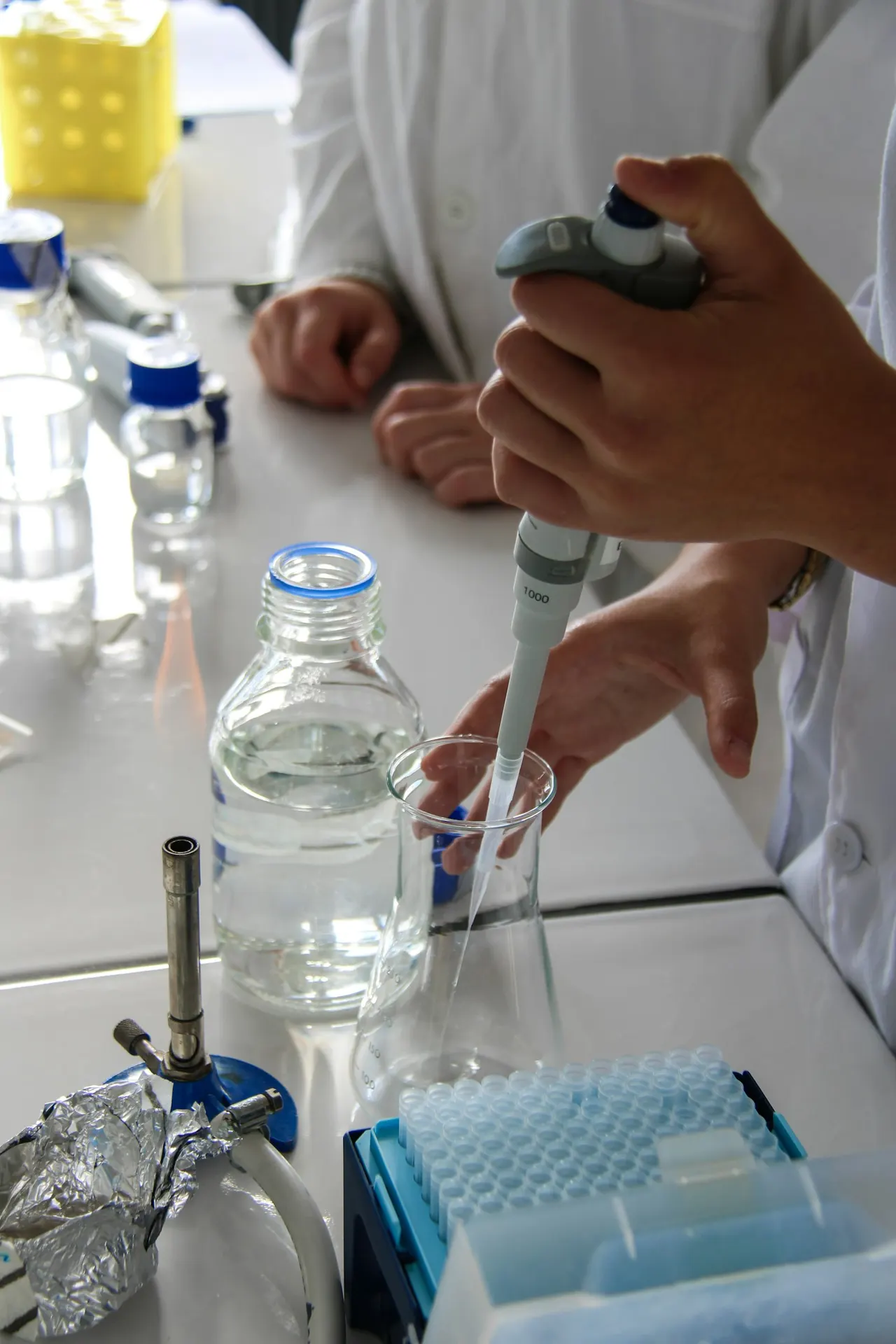
Biomaterials testing by industry
GelTech Labs tests how soft biomaterials take up fluid, hold it, lose mass or release an active over time. Teams reach a formulation decision sooner, and better products reach the people who use them. Our main focus is long-acting injectables.
Discuss a pilot studyCore markets
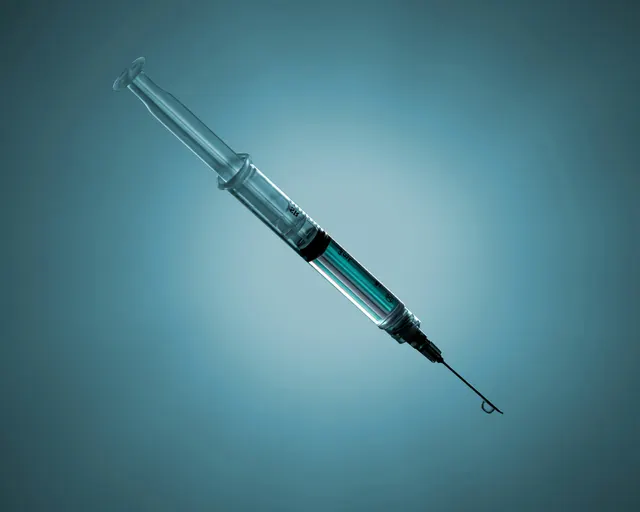
Drug delivery
Pick the long-acting depot to take forward on why it releases as it does, with depot mass and drug release on one timeline.
Drug delivery testing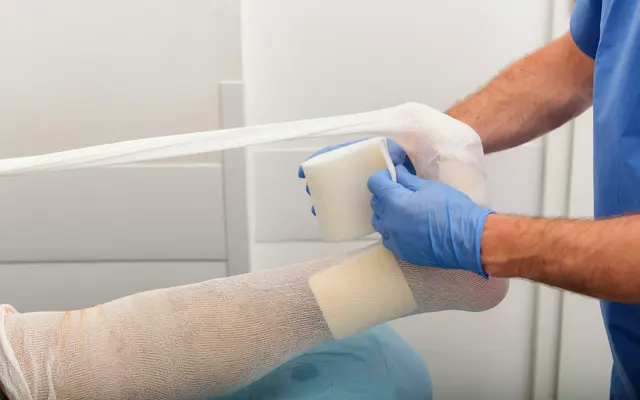
Wound care
Back a fluid-handling claim with a full curve: absorbency, retention under load and MVTR over time.
Wound care testing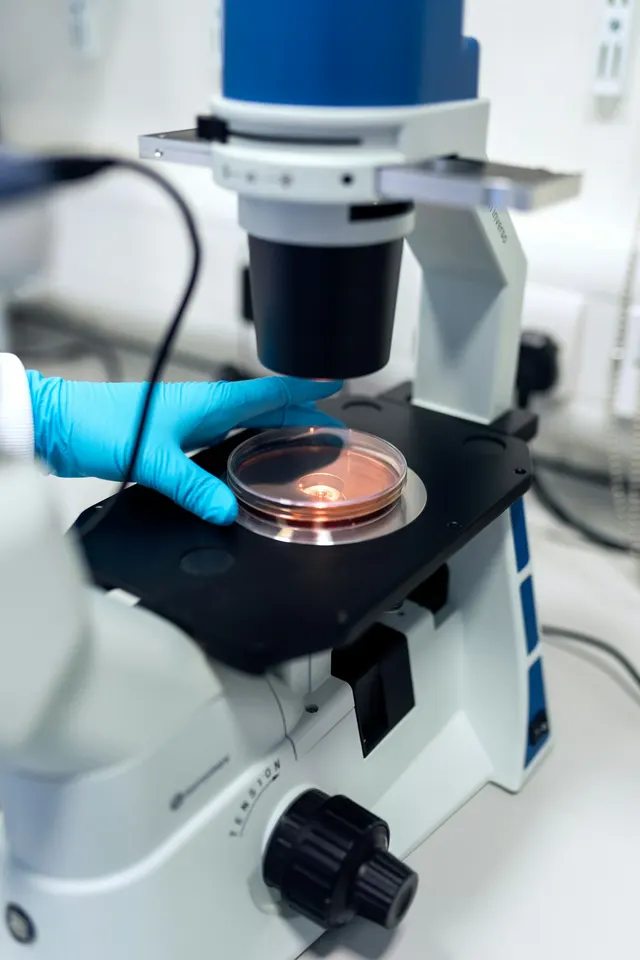
Tissue engineering and implants
Follow the same scaffold or implant from first fluid uptake to resorption, and spend fewer scarce samples doing it.
Tissue engineering and implants testingMore markets
- Cosmetics Tell a real difference between two close gels or patches from measurement scatter.
- Hygiene Two grades can reach the same capacity at different speeds. A full uptake curve shows which fits your product.
- Sustainability Screen soil hydrogels and fertilizer coatings on water uptake and breakdown before committing to field work.
- Energy Pre-screen conformance control gels for swelling in brine and mass retention, up to 60 °C.
Find testing by material form
Already know your format? Go straight to how we test it.
One method across markets
Every market comes down to the same question: what does the material do over time, in the fluid and conditions it will meet in use? Carousel weighs each sample at every timepoint, around the clock, while integrated instruments read the medium for release and test rheology and mechanics. The method stays the same; the fluid, temperature and pH change with the market.
What this testing doesn't cover
- No animal or clinical studies, and no field trials.
- No accredited biocompatibility, sterility or safety testing.
- No soil or aquatic biodegradation tests, and no biodegradability certification.

Plan the testing your market needs
Tell us what you're developing and what it has to show.