
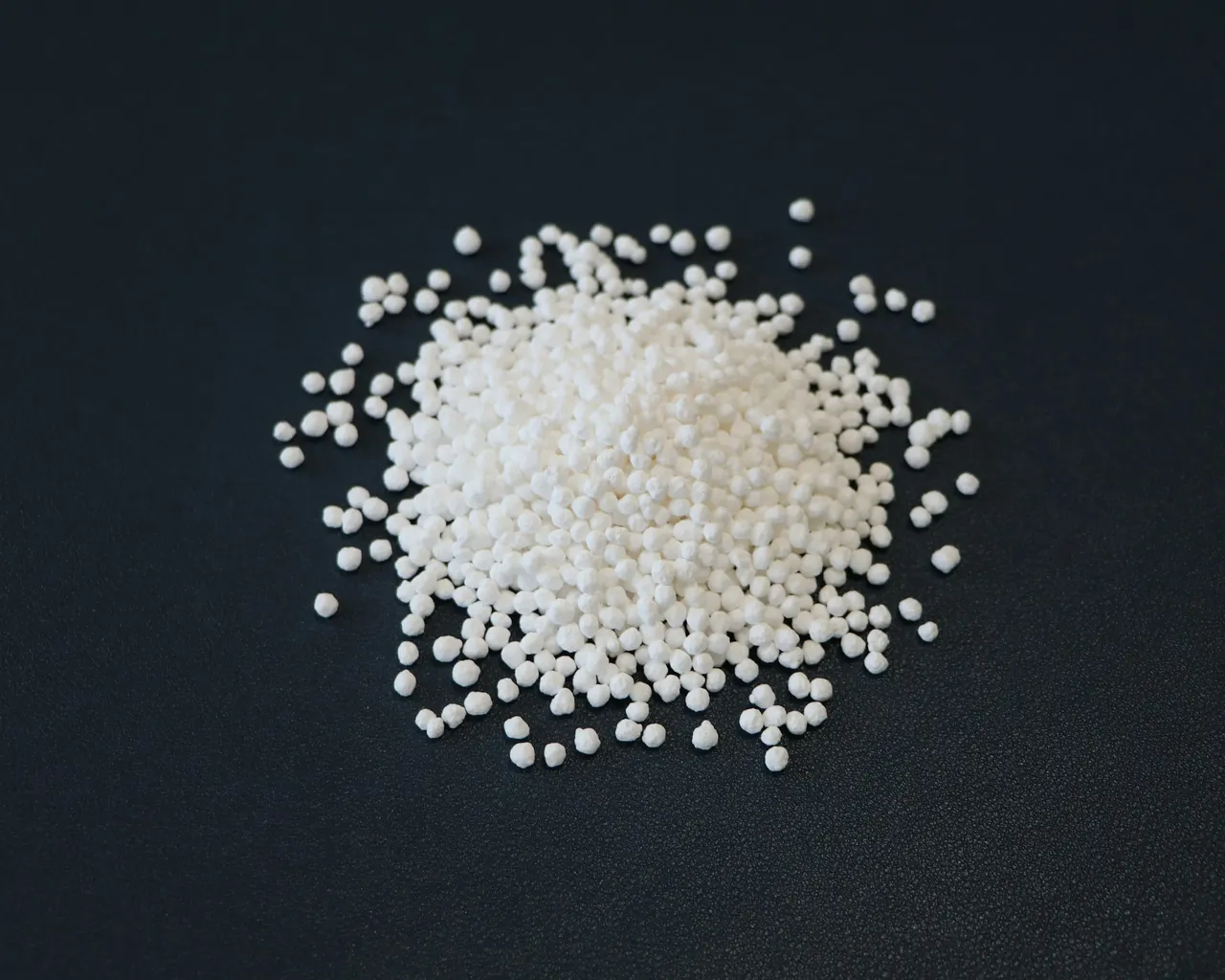
Superabsorbent polymer testing for diapers and hygiene products
GelTech Labs measures free swell, absorbency under load and rewet for superabsorbent polymers as a full uptake curve, with methods aligned with NWSP 240 and 242. Diaper and hygiene teams see how fast each grade reaches capacity, not only how much it holds.
Discuss a pilot studyThe right grade, chosen sooner, in a drier product
Two grades can reach the same capacity at different speeds. The full curve shows which one fits the product, so teams settle on a grade sooner and better, drier products reach the people who use them.
- 3x
- higher precision than manual methods, so two close grades separate.
- A grade decision sooner
- Runs continue around the clock, unattended.
- Biodegradable grades too
- Absorbency and mass loss in your chosen fluid.
Same capacity, different speed
Choose the grade that fits your product through a full uptake curve on Carousel, so you see how fast each grade reaches capacity, not only how much it holds.
Fluid taken up, % of capacity
Illustrative · mean ± SD
Fluid taken up, % of capacity. An endpoint reading calls these two grades equal. In a diaper, the faster one locks fluid away before it can pool against the skin.
An endpoint reading calls these two grades equal. In a diaper, the faster one locks fluid away before it can pool against the skin.
Superabsorbent tests and what each answers
| Test | What it answers | Aligned standard |
|---|---|---|
| Free swell capacity | How much saline the polymer holds with no load. | NWSP 240, ISO 17190-5 |
| Absorbency under load | Whether that capacity holds under pressure, like a body on the core. | NWSP 242, ISO 17190-7 |
| Uptake rate | How fast the polymer reaches capacity. | Product specification |
| Rewet | Fluid that returns to a blotter under load: how dry the surface stays. | Product specification |
| Mass loss | Hydrated mass lost in fluid over time. | Product specification |
Results must name the fluid. It moves them by an order of magnitude: saline for the NWSP powder methods, or synthetic urine.
Powders, granules and absorbent cores
Send the polymer as a powder or granules, or the core as a sheet.
- Load on the sample
- 0.1 to 1 PSI
- Gravimetric readout
- 1 mg
- Temperature
- Ambient to 60 °C
- Media
- pH 1.5 to 12
What this testing doesn't cover
- Centrifuge retention capacity (NWSP 241), which needs a centrifuge.
- Environmental biodegradation tests, such as composting or soil burial.
How a superabsorbent study starts
Get a dataset and report on your own material through a pilot study: ship us your formulation, or have us formulate it, and our R&D services team runs the study. Teams that test often can run the same methods on their own Carousel, with install, training and a 30-day trial.

Plan a superabsorbent study
Tell us the polymer, the fluid and the load.